Most sales teams never reach a TZS 2.5 billion pipeline value: not because they lack talent, but because they lack a system. A pipeline isn't a spreadsheet. It's a living machine: leads go in one end, closed deals come out the other. Build it right, and revenue becomes predictable. Build it wrong, and you're always guessing.
This guide walks through exactly how to construct that machine: from defining who you sell to, all the way to the metrics you should track weekly.
Step 1: Define your ideal customer profile (ICP)
Before you touch a lead source or a dialer, you need clarity on who you're selling to. Your ICP isn't just "B2B companies with 10–200 employees." It's specific:
- Industry: e.g. IT consulting firms, recruitment agencies, insurance brokers
- Company size: employee count and revenue range
- Geography: which regions or time zones you can serve well
- Trigger events: what makes them ready to buy now (hiring surge, funding round, new product launch)
- Decision-maker title: who signs the contract (CEO, sales director, COO)
Review your last 20 closed deals and find the patterns. That's your ICP. Everything else, your messaging, your channels, your outreach, flows from this.
Step 2: Build your lead engine
A TZS 2.5 billion pipeline requires a steady stream of qualified leads. Diversify across at least two sources:
- Outbound prospecting: cold calling, email sequences, LinkedIn outreach: targeting your ICP directly
- Inbound content: SEO, thought leadership, webinars: attract leads over time
- Referral network: your existing customers and partners are your warmest source
- Lead database: tools like Klientel's built-in B2B database let you filter and export verified contacts at scale
"The best salespeople aren't better at closing: they have better pipelines. Volume and qualification beat charm every time."
Step 3: Structure your pipeline stages
A pipeline without stages is just a list. Define clear, outcome-based stages so every salesperson knows exactly what "progress" means:
- Lead: identified, fits ICP, not yet contacted
- Connected: first contact established, meeting/demo booked
- Discovery: need identified, pain point confirmed
- Proposal: pricing and scope presented
- Negotiation: contract under review
- Closed Won / Closed Lost
Assign a probability to each stage (e.g. Discovery = 30%, Proposal = 55%), and your CRM automatically calculates the weighted pipeline value.
Step 4: Set up follow-up cadences
80% of sales require five or more follow-ups. Most salespeople give up after two. A cadence solves this: it's a pre-planned sequence of touchpoints so no leads fall through the cracks:
- Day 1: First contact (call + email)
- Day 3: Follow-up email with case study
- Day 6: Second call attempt
- Day 10: LinkedIn message
- Day 14: "Break-up" email with low-pressure CTA
Build this cadence once in your CRM, and apply it automatically to every new lead.
Klientel lets you automate stage transitions, trigger follow-up tasks, and send email sequences based on deal activity. Set it up once, and your pipeline works while you sleep. Try it free →
Step 5: Automate the repetitive parts
Top performers spend 70% of their time selling: not on admin. Automate:
- Lead assignment (round-robin or territory-based)
- Task creation when a deal changes stage
- Email follow-up sequences
- CRM data entry from call recordings
- Weekly pipeline reports for managers
Step 6: Track the metrics that actually matter
Forget vanity metrics. Build a TZS 2.5 billion pipeline by tracking these weekly:
- Total pipeline value: weighted sum of all open deals
- Average deal size: keep this rising by upselling earlier
- Win rate: closed won ÷ total closed. Industry average is 20–30%
- Sales cycle length: how long from first contact to close
- Lead-to-opportunity rate: what % of your outreach converts to a real conversation
- Stage conversion rates: where do deals stall?
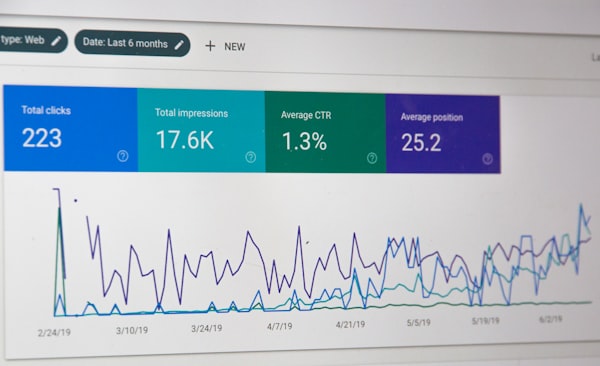
A pipeline dashboard showing these six numbers updated in real time is worth more than any sales strategy. If your CRM doesn't show this automatically, it's costing you deals.
Putting it all together
Building a TZS 2.5 billion pipeline isn't one big leap: it's six systems working in concert. Define your ICP precisely, fill the top of the funnel consistently, structure your stages, automate follow-ups, and review the right metrics weekly. Do this for 90 days, and you won't just have a pipeline: you'll have a repeatable revenue machine.